Two Tiers, One Generation: The Market Forces Splitting C3 Corvette Values Apart
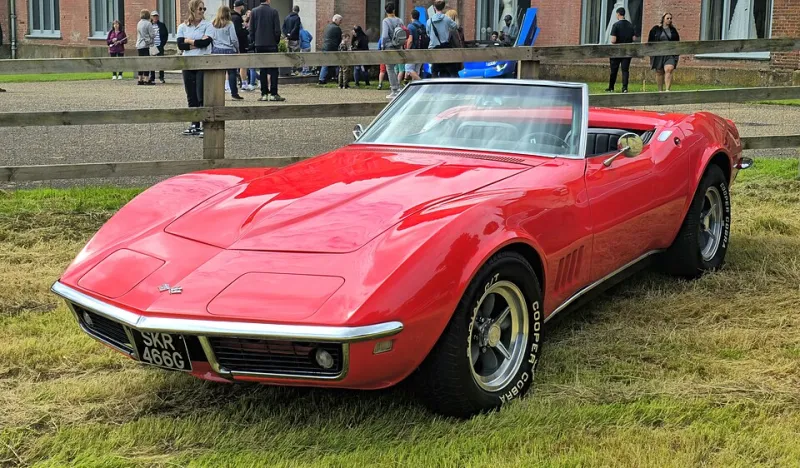
Photo: Calreyn88, CC BY-SA 4.0, via Wikimedia Commons
Spend any time browsing auction results or scrolling through collector listings, and a pattern jumps out pretty fast. Two C3 Corvettes sitting side by side—same body style, same iconic Coke-bottle silhouette, same removable roof panels—can carry price tags that are worlds apart. We're talking the difference between a weekend garage find and a serious investment-grade purchase. The split isn't random. It's the product of decades of market psychology, performance history, production reality, and plain old American car culture doing what it does best: deciding what's cool and pricing accordingly.
So what exactly separates a 1968–1972 C3 from a 1980–1982 model in the eyes of serious collectors? And is the gap as permanent as it looks right now, or is there a correction coming that patient buyers should be watching for?
The Golden Window: Why 1968–1972 Sits at the Top
If you want to understand why early C3s command the premiums they do, start with the engine bay. The years between 1968 and 1972 represent the high-water mark of American muscle, and Corvette was right in the thick of it. Buyers during that era could option their car with the legendary LT-1 small block, the monstrous 454 big block, or the hallowed LS6—a 454 rated at 425 horsepower that remains one of the most celebrated factory V8s ever dropped into an American sports car.
Then came 1971, and with it a critical shift: Chevrolet began detuning engines to run on lower-octane, unleaded fuel in anticipation of tightening emissions regulations. Horsepower numbers started their long slide. By 1972, the industry switched from gross horsepower ratings to the more conservative net figures, which made the decline look even steeper on paper. For collectors who grew up idolizing those peak-power years, 1972 has always felt like the last year of the "real" Corvette—a perception that has never really loosened its grip on the market.
Production numbers add another layer. Certain configurations from this era—matching-numbers big blocks, documented race-option cars, low-mileage survivors—exist in genuinely small quantities. Scarcity does what scarcity always does: it inflates prices and intensifies competition at auction. A documented 1970 LT-1 coupe in solid shape isn't just a car; it's a piece of American performance history with a finite supply and a growing list of people who want one.
The Late C3 Reality: What the Numbers Actually Say
Flip to the other end of the generation, and the story looks very different. By 1980, the Corvette was carrying a base engine rated at just 190 horsepower—a number that would have been embarrassing on a mid-size sedan a decade earlier. The culprit was a combination of strict emissions standards, the lingering hangover from the 1970s fuel crises, and a regulatory environment that made building a fire-breathing sports car genuinely difficult.
The 1980 model year brought an automatic transmission-only rule in California, and the 1981 cars—while technically the first Corvettes assembled at the new Bowling Green, Kentucky plant—were still stuck with the same strangled powerplants. The 1982 model, the final C3, got a fuel-injected 350 called the Cross-Fire Injection system that was more notable as a preview of things to come than as a performance achievement in its own right.
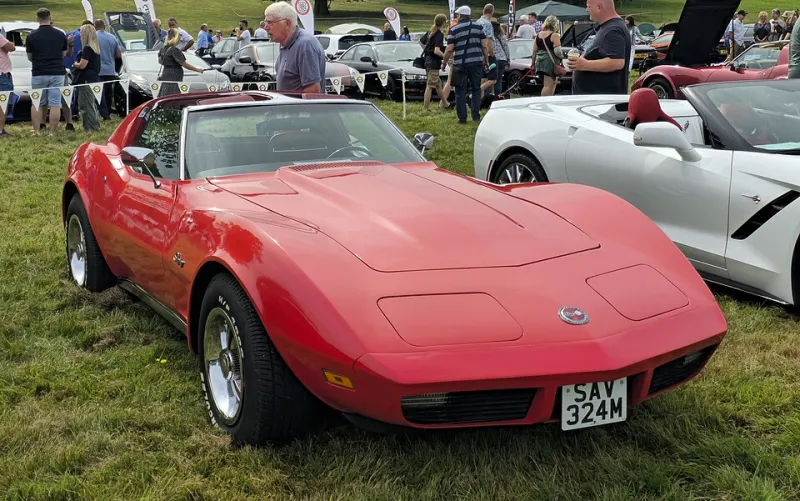
For collectors raised on the mythology of the muscle era, these specs read like a disappointment list. The late C3s are objectively less powerful, less dramatic, and less connected to the cultural moment that made the Corvette a legend. That perception has kept auction prices suppressed and kept these cars largely off the radar of serious investors.
Production Volume and the Scarcity Equation
Here's a wrinkle that sometimes gets overlooked in the early-versus-late debate: the later C3s were actually produced in higher annual volumes than many of the early models. Chevrolet was still selling Corvettes by the tens of thousands in the late 1970s and early 1980s, which means survivors aren't particularly hard to find. When supply is relatively abundant and collector demand is soft, prices stay low. It's not complicated math, but it's math that matters enormously when you're trying to figure out where values go from here.
Contrast that with a specific-option early C3—say, a 1969 with the ZL1 aluminum 427—and you're looking at a car built in numbers so small that authenticated examples are almost mythological. That scarcity premium compounds over time as attrition takes more cars off the market and the pool of surviving, documented examples shrinks further.
The Cultural Perception Gap
Beyond specs and production figures, there's something harder to quantify at work: the story each era tells. The 1968–1972 Corvette exists in the popular imagination as a muscle-era icon, the car of Steve McQueen films and drag strips and a confident, pre-fuel-crisis America. It shows up in classic car posters, video games, and the mental image most people conjure when someone says "classic Corvette."
The late C3, by contrast, tends to get lumped in with a broader narrative of American automotive malaise—a period when domestic manufacturers were fighting regulators, struggling with quality control, and losing ground to imports. That's not entirely fair to the cars themselves, but perception in the collector market is often more powerful than reality. People pay for the story as much as the steel.
Is the Gap Closing? The Case for Late C3s as Undervalued Assets
Here's where it gets interesting for buyers who are paying attention. The collector car market has a well-documented tendency to cycle through generations. As early C3 prices climb into territory that prices out younger or budget-conscious enthusiasts, attention naturally drifts toward the next accessible tier. We've already seen this pattern play out with other American classics—entry-level buyers get pushed toward the "lesser" examples, demand builds, and prices follow.
There's also a generational argument. Enthusiasts who grew up in the late 1970s and early 1980s are now hitting peak earning years, and for some of them, the 1980–1982 Corvette isn't a consolation prize—it's the car they remember from childhood, the one that was on their bedroom wall. Nostalgia is a powerful pricing force, and it tends to arrive on a roughly 30-to-40-year delay.
The 1982 Collector Edition—a limited-run model with a distinctive silver-beige paint scheme, cloisonné emblems, and a lift-up rear window—already trades at a modest premium over standard late C3s, suggesting the market is capable of finding value in this era when a compelling enough reason presents itself.
What This Means If You're Shopping Right Now
If you're in the market for an early C3 with strong collector credentials, expect to pay for the privilege—and expect to compete with buyers who know exactly what they're looking at. Documentation matters enormously in this segment. Matching numbers, original build sheets, and verifiable history aren't nice-to-haves; they're the difference between a car that holds value and one that doesn't.
If your budget is more modest, or if you're genuinely drawn to the late C3 on its own merits, the current market offers real opportunity. These are drivable, enjoyable cars available at prices that would have seemed absurd for a Corvette a generation ago. Whether they appreciate dramatically is an open question, but the floor is solid and the upside is real if the generational nostalgia wave materializes the way the market patterns suggest it might.
The C3 generation spans fourteen model years and contains multitudes. The divide between its collector tiers is real, well-established, and rooted in legitimate factors. But in a hobby where yesterday's overlooked car becomes tomorrow's auction star, it's worth remembering that the gap between "blue-chip" and "bargain" has a way of narrowing when nobody's expecting it.