Shades of the Era: How C3 Corvette Colors Reflect History, Culture, and Cold Hard Cash
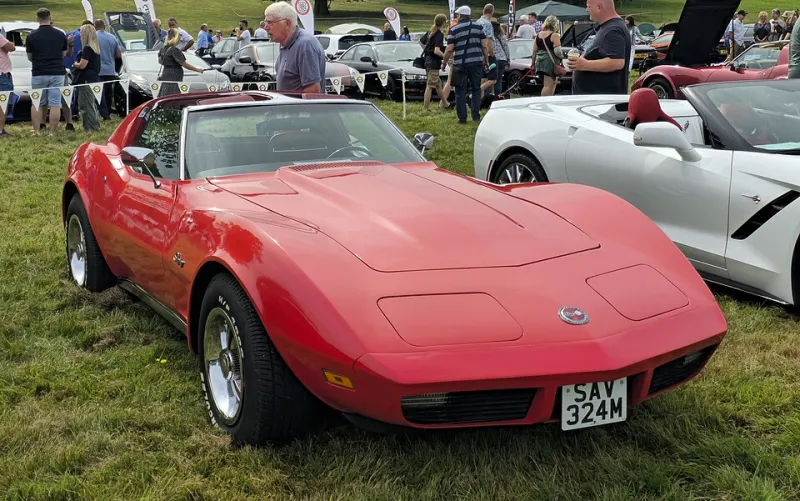
Photo: Calreyn88, CC BY-SA 4.0, via Wikimedia Commons
Pick up any auction catalog featuring a C3 Corvette and you'll notice something almost immediately: the color gets its own paragraph. Not a footnote — a full, enthusiastic description. That's not filler copy. Color is genuinely one of the most consequential details on a third-generation Corvette, shaping everything from curb appeal to resale premiums to the authenticity questions that can make or break a deal. If you're buying, selling, or restoring a C3, understanding the paint story is non-negotiable.
The Early Years: Bold Moves and Big Personalities (1968–1972)
The first C3s rolled out of St. Louis wearing colors that matched the cultural moment perfectly. This was the era of Muscle Car Frenzy and countercultural confidence, and Chevrolet's palette reflected it without apology. Shades like Fathom Green, Mulsanne Blue, and Daytona Yellow weren't subtle suggestions — they were statements.
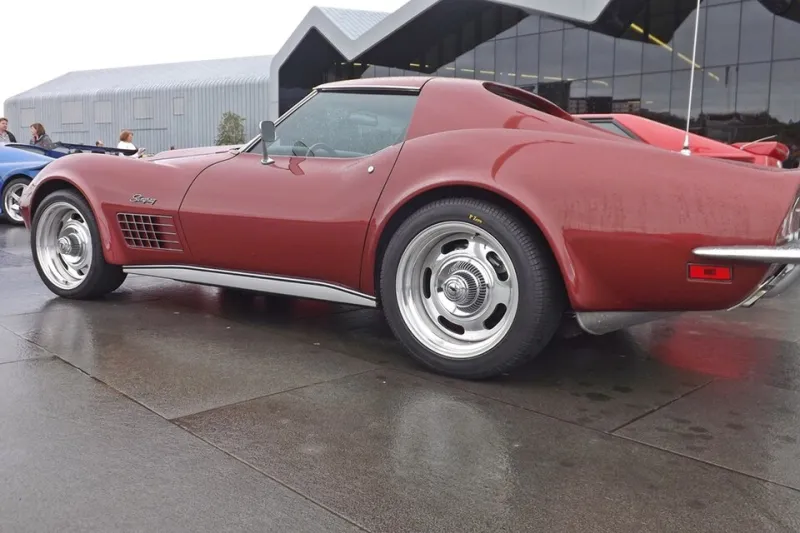
Among collectors, these early colors carry serious weight. Fathom Green, offered from 1969 through 1972, has developed a cult following that pushes well-optioned examples into premium territory at auction. It's a deep, complex green that reads differently in sunlight versus shade, and it photographs beautifully — which doesn't hurt when you're listing a car online. Mulsanne Blue from the 1969 model year is similarly prized, partly because of its rarity and partly because it embodies exactly what people picture when they close their eyes and think "early C3."
Yellow is its own conversation. Daytona Yellow and later Bright Yellow have always attracted a specific kind of buyer — someone who wants to be seen. These cars tend to sell fast when priced right, and low-production examples in yellow can command meaningful premiums, particularly in the 1968–1972 window when collector demand is strongest overall.
The Mid-Decade Shift: Earth Tones and the Energy Crisis Aesthetic (1973–1977)
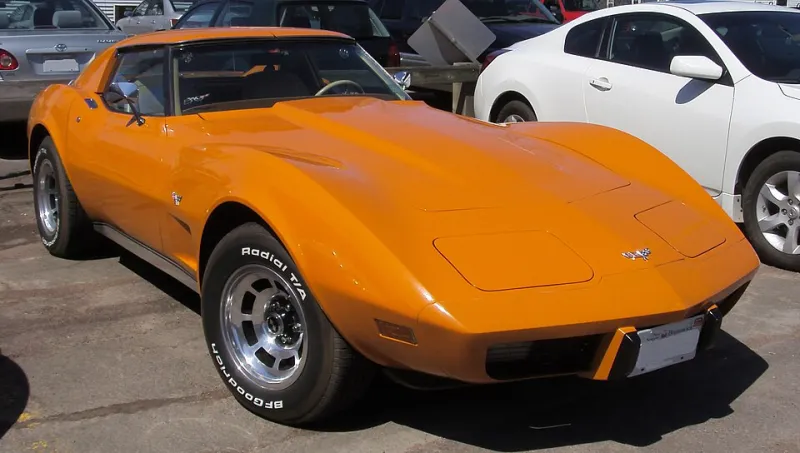
As the seventies deepened, the palette mellowed. The muscle car bravado faded alongside horsepower ratings, and Corvette colors started reflecting a nation dealing with oil embargoes, stagflation, and a general retreat from excess. Silver, medium saddle, and various shades of brown and gold started showing up on order sheets.
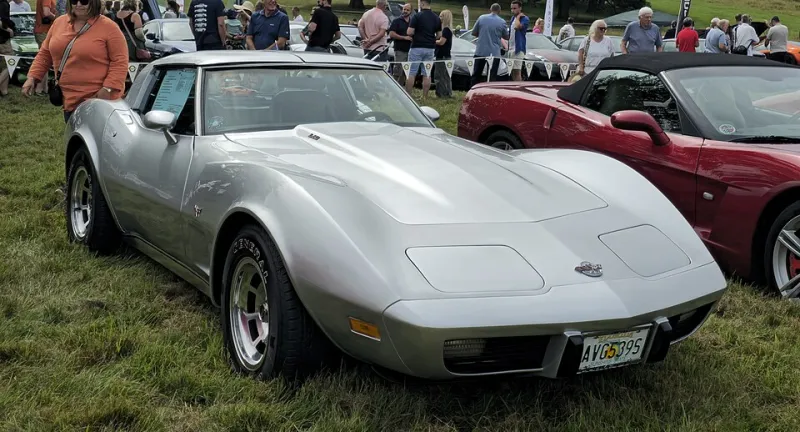
Here's the honest truth about this era's colors from a collector standpoint: they're complicated. A well-preserved Silver example from 1976 or 1977 can look genuinely stunning — clean, classic, and surprisingly modern. But the earth tones, particularly the warmer browns and golds, tend to generate less enthusiasm on the open market. That's not a knock on the cars themselves; it's just buyer psychology. These colors feel period-specific in a way that can work against resale.
The contrarian opportunity here is real, though. If you're buying for personal enjoyment rather than investment, a loaded 1975 in a less-fashionable color can be a legitimate bargain. You're getting the same mechanicals and the same driving experience for noticeably less money simply because fewer buyers are fighting over it.
Late C3 Colors: Underrated or Undervalued? (1978–1982)
The final chapter of the C3 production run brought some genuinely interesting color choices that don't get enough credit. The 25th Anniversary two-tone Silver and Gray combination from 1978 is an obvious standout — it's a purpose-built collector color on a purpose-built collector car, and the market knows it. But look past the anniversary edition and you'll find some hidden value.
Dark Blue Metallic from the early eighties has been quietly appreciating. Red, which was available throughout the C3 run, tends to hold value reliably — there's a reason it's the default "sports car color" in most people's minds. And the Collector Edition's Silver Beige from 1982, paired with the distinctive clam-shell hood treatment, is a legitimate icon that still attracts serious buyers.
Reading the Numbers: How to Authenticate Original Paint
This is where things get technical, and where deals can go sideways fast. A C3 Corvette's original color is documented on the trim tag, a small metal plate typically found in the engine compartment or door jamb area depending on the model year. The paint code stamped there is your ground truth — everything else is a story someone is telling you.
Beyond the trim tag, a few practical checks matter. Original factory paint on a C3 has specific characteristics: you'll often find overspray patterns in areas like inside the door jambs, under the hood, and in wheel wells that are consistent with how the cars were painted at the factory. A professional respray, even a high-quality one, tends to show different overspray patterns or unusually clean areas where masking was used.
A paint thickness gauge is an inexpensive tool that serious buyers should carry. Factory C3 paint runs thinner than most modern resprays. If you're getting unusually high readings across multiple body panels, someone has laid fresh paint over the original — or over body filler. Neither situation is automatically disqualifying, but it changes the conversation and the price.
Ultraviolet light can also reveal previous repairs. Fiberglass body filler and repainted areas often fluoresce differently than original surfaces under UV, giving you a quick visual map of what's been touched.
The Color Premium in Real Numbers
Just how much does color affect value? Enough to matter significantly. At major auction houses like Barrett-Jackson and Mecum, comparable C3s in the same condition and with similar options can show 15 to 30 percent price differences based on color alone. A 1969 in Fathom Green with a documented, unrestored finish will consistently outperform a mechanically identical car in a common color like white or black — not because it's a better car, but because the market has decided it's more desirable.
For restorers, this creates a real decision point. Repainting a C3 to a higher-demand color is technically possible and sometimes done, but experienced buyers know to check documentation. A car represented as a numbers-matching Fathom Green example that actually left the factory in Monza Red is a problem — not just ethically, but legally in some transaction contexts. Stick to the trim tag and be honest about what you have.
Final Thought: Buy the Color You Love, Know What It's Worth
The C3 color spectrum is genuinely one of the most interesting aspects of collecting these cars. It's part history lesson, part market analysis, and part personal taste. If you're buying as an investment, the data points toward early bold colors, low-production shades, and anything with documented, unrestored original paint. If you're buying because you want to drive and enjoy a piece of American automotive history, find the color that makes you stop and stare — and negotiate accordingly. Either approach is valid. Just go in with your eyes open and your trim tag verified.