The Hidden Price of Open Air: What Owning a Removable-Roof C3 Really Costs You

There's a reason the removable-roof C3 Corvette is the poster child for American open-road freedom. Pull those panels off on a warm Saturday morning, point the nose toward a two-lane highway, and you've basically won at life. Nobody's arguing with that. But here's the thing nobody mentions in the auction listing or the Craigslist post: those beautiful lift-off roof panels come with a financial shadow that follows you from the moment you sign the title.
Call it the targa tax. Restoration specialists and longtime collectors have been quietly talking about it for years. Now it's time to put some real numbers and honest context behind the conversation — because if you're shopping for a C3 right now, this stuff matters.
What Exactly Are We Talking About?
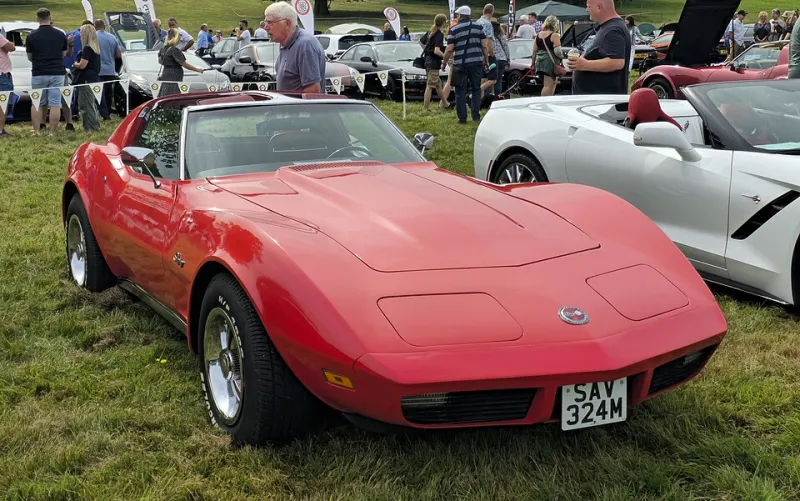
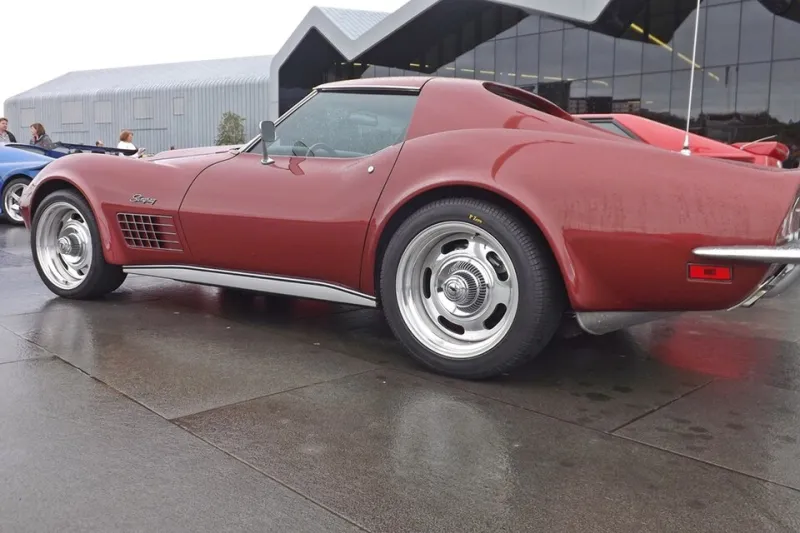
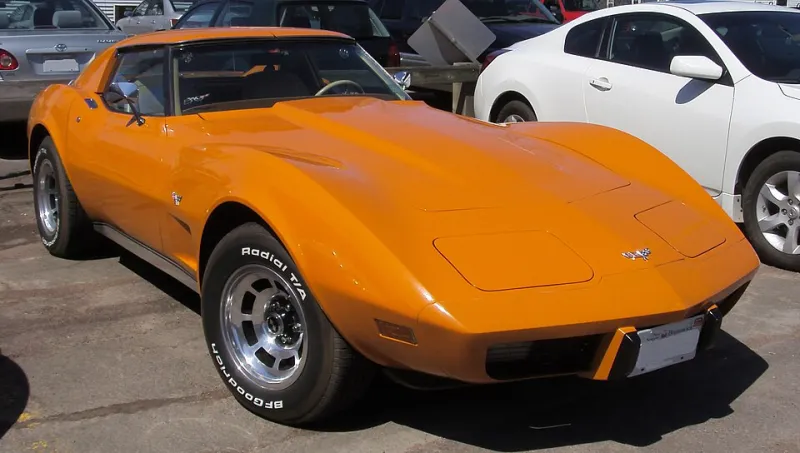
The C3 Corvette — produced from 1968 through 1982 — offered buyers a removable roof option that sat somewhere between a traditional convertible and a fixed hardtop. The panels could be lifted off entirely, stored, and the car driven with just the windshield frame and a slim structural bar overhead. It was a genuinely clever design for its era, and it gave Chevrolet a way to thread the needle between open-air fun and structural rigidity.
But "rigidity" is doing some heavy lifting in that sentence. The C3's body is fiberglass, and without a solid roof locking things together, the chassis relies more heavily on its underlying structure to keep everything from flexing. That's point one in the targa tax argument. We'll come back to it.
The panels themselves — typically made from either body-colored fiberglass or a smoked acrylic "blue-dot" variant — are removable, which means they're also loseable, damageable, and expensive to replace.
The Storage Problem Nobody Warns You About
Let's start with something deceptively simple: where do you put the panels when they're off the car?
This sounds like a minor inconvenience until you actually own a C3. The panels aren't small. They're not something you toss in a corner of the garage. They need to be stored flat, protected from scratches, kept away from temperature extremes that can cause the fiberglass to warp or the acrylic to craze. Dedicated storage bags exist — quality ones from reputable suppliers run $80 to $200 depending on the material and construction — but even with a bag, you need a safe horizontal surface.
Restoration specialist Dave Kowalski, who operates out of a shop in central Ohio and has worked on C3s for over two decades, puts it plainly: "I've seen more panels ruined in storage than on the road. People don't think about it. They pull the roof off, lean it against a wall, and six months later they've got crazing on the acrylic or a pressure crack in the fiberglass. Now they're looking at a $400 to $800 repair — or a full replacement."
Original acrylic panels in good condition can fetch $600 to over $1,000 each on the collector market. Body-color fiberglass panels vary widely but are generally easier and cheaper to source. Still, the point stands: these aren't trivial components.
Structural Reinforcement: The Quiet Expense
Here's where the targa tax gets serious. C3s with removable roofs are inherently more prone to cowl shake and chassis flex than their fixed-roof counterparts — particularly the coupes with T-tops introduced in 1968. Over time, that flex can cause issues ranging from annoying (doors that don't close cleanly, rattles you can't locate) to genuinely problematic (stress cracks in the fiberglass body, worn weatherstripping that accelerates moisture intrusion).
Many C3 owners who drive their cars regularly eventually invest in subframe connectors or other reinforcement solutions. These aren't always expensive in isolation — basic connector kits can run $150 to $400 — but they add up when combined with the labor to install them properly and any related repairs that surface during the process.
Collector and C3 community veteran Sandra Marsh, based in Tennessee, has owned four C3s over the past fifteen years, three of them with removable roofs. "Every single one needed weatherstripping work within the first two years," she says. "The seals around those panels take a beating. Water gets in, you get interior damage, and then you're chasing a whole other problem. I've probably spent close to $2,000 total on weatherstripping and related fixes across those three cars."
For a deep dive on weatherstripping repairs specifically, our earlier piece on T-top maintenance is worth bookmarking — but the core lesson applies broadly: the roof-to-body seal on these cars is a recurring maintenance item, not a one-time fix.
Resale Value: Does It Cut Both Ways?
Conventional wisdom says removable-roof C3s command a premium at resale, and that's largely true. Buyers love the open-air experience, and cars presented with both panels present and in good condition consistently attract more interest than fixed-roof coupes at comparable price points.
But here's the nuance: that premium only holds if the panels are present, original, and in solid shape. A removable-roof C3 missing one panel, or with significant crazing on the acrylic, or with visible stress cracks around the roof aperture? That car often sells at a discount compared to a clean fixed-roof example. The premium flips into a penalty.
"I've watched buyers walk away from cars at swap meets and auctions because the panels were in rough shape," Kowalski notes. "They see the work ahead and they either lowball aggressively or move on. If you're planning to sell a removable-roof car eventually, keeping those panels pristine is basically mandatory."
So Is a Removable-Roof C3 Worth It?
Honestly? For most enthusiasts, yes — but with eyes wide open. The driving experience with the panels off is genuinely special, and there's a reason these configurations remain so popular decades after the last C3 rolled off the Bowling Green line.
The key is budgeting realistically from day one. Factor in:
- Quality storage solutions for the panels ($100–$200 upfront, ongoing)
- Regular weatherstripping inspection and replacement (plan on this every few years)
- Structural reinforcement if you drive the car regularly rather than trailer it to shows
- Panel condition as a primary inspection point when buying — don't let a motivated seller gloss over damage
- Replacement panel costs if originals are missing or damaged (budget $500–$1,500+ depending on type)
None of this should scare you off a removable-roof C3. It should just recalibrate your expectations. The sticker price is the starting line, not the finish line — and that's true of any classic car purchase, but especially true here.
The targa tax is real. Budget for it, maintain against it, and you'll be rewarded with one of the most satisfying driving experiences American automotive history has to offer. Ignore it, and you'll be explaining to your spouse why the garage project just got more expensive. Again.
Shop smart, store those panels properly, and enjoy every mile.