Hold, Fold, or Walk Away: Making the Smartest Call on Your C3 Corvette
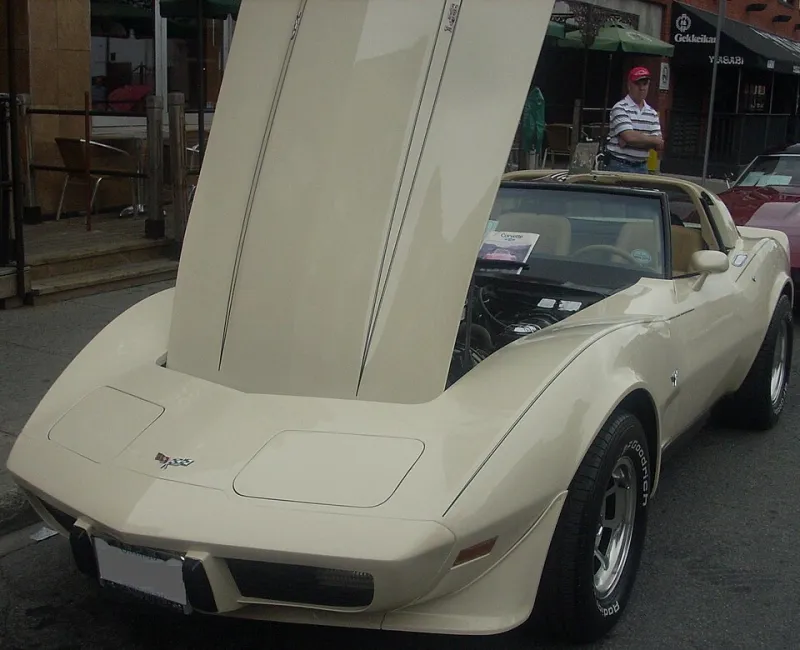
Photo: Bull-Doser, Public domain, via Wikimedia Commons
There's a conversation that happens in garages all across the country, usually late on a Saturday afternoon when the work is done and the beer is cold. You're leaning against a fender, looking at your C3, and the question creeps in: should I sell this thing?
Maybe you've been offered good money. Maybe the restoration costs are piling up. Maybe life has just changed and the car doesn't fit the way it used to. Whatever's driving it, the decision to sell — or not sell — a C3 Corvette is one of the most emotionally loaded calls a collector can make. And because emotions are involved, it's also one of the most commonly botched.
Let's try to fix that.
The Market Isn't Waiting for You to Be Ready
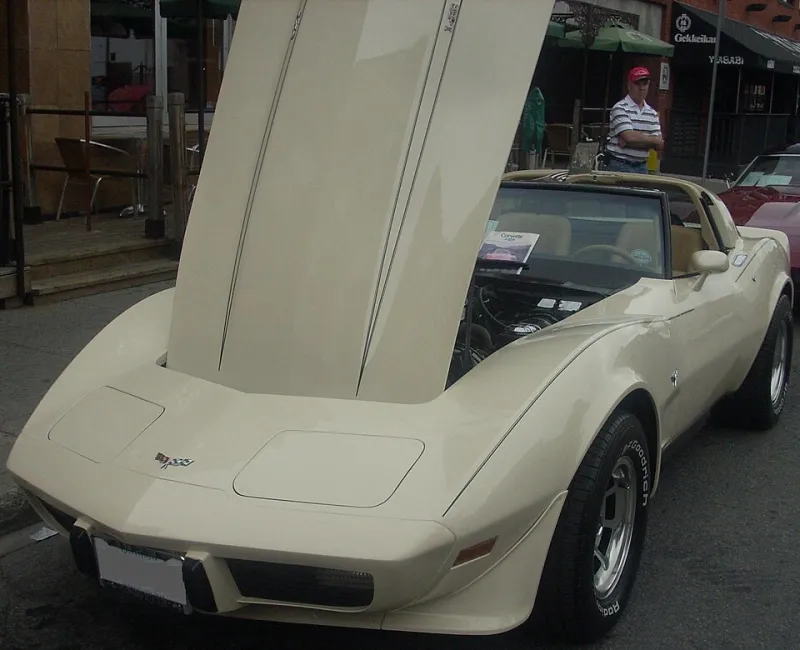
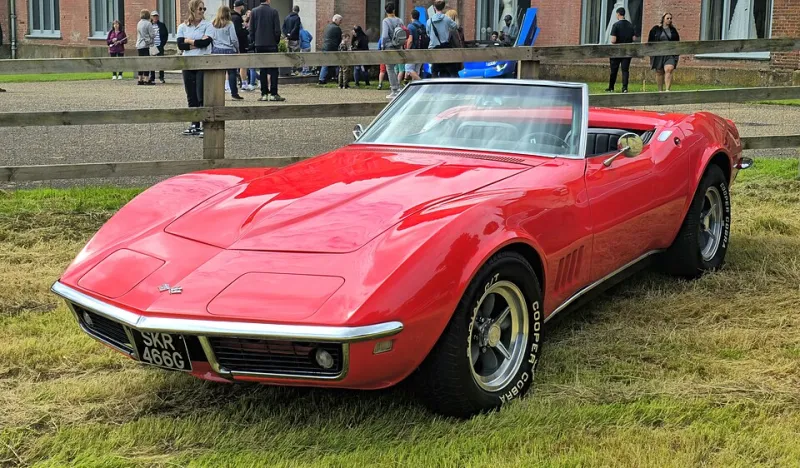
Here's the uncomfortable truth about C3 values: the market moves on its own schedule, and it doesn't care about your timeline. The early cars — 1968 through 1972, with their big-block options and pre-emissions-era muscle — have been commanding strong auction results for years now. The mid-decade cars (1973–1977) have started attracting more serious attention as buyers who grew up around those years hit peak earning age. Meanwhile, the late C3s (1978–1982) remain the most accessible price-wise, though even those are ticking upward on the right examples.
If you're holding a documented, numbers-matching early C3 in a desirable color, the market is arguably as favorable as it's been in a decade. That doesn't mean you have to sell — but ignoring that context entirely isn't smart either.
Watch a few auction results on Mecum or Barrett-Jackson. Check recent sold listings on Bring a Trailer. If comparable cars are consistently selling above your mental price floor, you're in a seller's market. If they're sitting or getting passed on reserve, the window may be tightening.
The Hidden Costs of Holding On
One of the biggest mistakes C3 owners make is treating a parked car as a free asset. It isn't. Even a Corvette sitting in a climate-controlled garage costs money every single year.
Think about it: insurance premiums, registration fees (depending on your state), annual maintenance to keep fluids fresh and seals from drying out, the occasional battery tender, tire care, and whatever storage costs you're absorbing. Add those up over five years and you might be looking at $3,000 to $8,000 in carrying costs — money that evaporates whether the car moves an inch or not.
Then there's the opportunity cost. Capital tied up in a C3 sitting in a garage is capital not working anywhere else. That's not an argument to sell — it's just an argument to be honest about what holding the car actually costs you.
If the car is appreciating faster than your carrying costs, holding makes financial sense. If it's not — or if you're not sure — that's worth figuring out before you decide.
When Personal Attachment Becomes a Liability
Let's be real: most of us didn't get into C3s purely as an investment play. These cars mean something. Maybe it's the one your dad drove, or the car you saved up for in your thirties, or the project that got you through a rough stretch of life. That attachment is valid. It's also dangerous when it clouds your judgment.
The collector car world is full of people who held on too long — not because the market turned on them, but because they couldn't separate the car's financial reality from its emotional weight. They passed on strong offers, delayed necessary decisions, and eventually sold under less favorable circumstances years later.
Ask yourself honestly: if someone offered you fair market value tomorrow, would you feel relief or regret? If the honest answer is relief, that's a signal worth listening to. Relief usually means the car has become a burden — financial, logistical, or emotional — and you've been holding on out of obligation rather than genuine enjoyment.
If the answer is regret, that's equally useful information. It means the car still has a real place in your life, and selling would likely leave you hunting for a replacement within a year.
The Condition Factor: Sell High or Restore First?
If your C3 needs work, you've got a secondary decision layered on top of the hold-or-sell question: do you invest in restoration before listing, or sell it as-is?
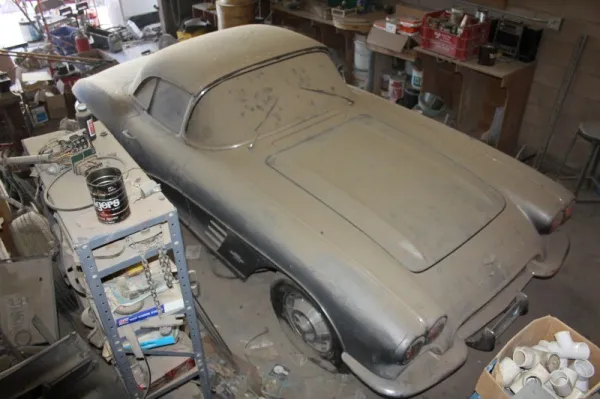
The math here is tricky and depends heavily on what kind of work the car needs. Cosmetic refreshes — a quality paint correction, new weatherstripping, a detailed engine bay — can meaningfully improve your sale price with relatively modest investment. Buyers respond to presentation, and a clean car always sells better than an identical car that looks neglected.
Major mechanical or structural work is a different story. Full frame-off restorations almost never return dollar-for-dollar on the open market unless you're doing the labor yourself and have the receipts to prove provenance and quality. If your C3 needs a full nut-and-bolt restoration, selling it as a project to someone who wants to do that work themselves is often the smarter financial play.
Get a realistic appraisal — not from a friend who loves the car, but from someone who buys and sells these regularly. That number should anchor your thinking.
Signals That It's Time to Sell
Not every reason to sell is financial. Some of the clearest signals are lifestyle-based:
- The car hasn't moved in 12+ months. A car that isn't being driven isn't being enjoyed. That's a storage unit with wheels.
- Your situation has changed. A new house, a growing family, a different city — if the car no longer fits your life, that's not a failure. It's just reality.
- Maintenance feels like a chore, not a hobby. When wrenching on it stops being fun and starts feeling like obligation, the relationship has probably run its course.
- You've found yourself shopping for something else. If you're already browsing listings for a different car, your enthusiasm has already moved on.
Signals That You Should Hold
On the flip side, there are just as many good reasons to keep the car:
- You're still actively driving and enjoying it. An enjoyed car is doing exactly what it's supposed to do.
- You own something genuinely rare. Low-production colors, factory options, documented race history — if your car has a story that can't easily be replicated, patience often pays.
- The market is soft right now. Selling in a down cycle just to liquidate is a great way to leave money on the table. If you don't need the cash, waiting out a soft patch is usually wise.
- You'd just buy another one. If selling would only lead to another purchase in the same category, you might as well save the transaction costs.
Making the Call
At the end of the day, there's no universal right answer here. The best decision is the one that honestly accounts for your financial situation, your lifestyle, your attachment to the specific car, and your realistic read of the market — not just one of those things in isolation.
Write it out if you have to. Put the carrying costs on one side, the market value on the other, and then sit with what the numbers actually say. Then check your gut. If those two things are pointing in the same direction, you've probably got your answer.
The C3 market rewards patience and punishes panic. Whatever you decide, make sure it's your decision — not one you backed into because you waited too long to think it through.