Sleeping Giants: The C3 Corvette Years Nobody's Talking About (But Should Be)
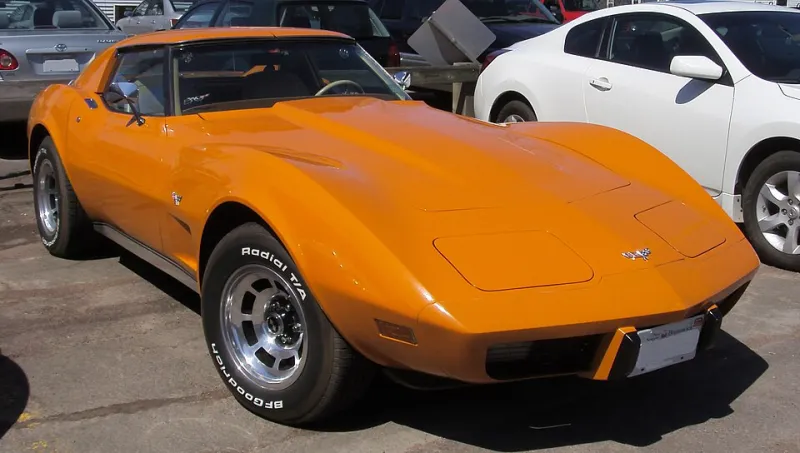
Photo: Heep, CC BY-SA 3.0, via Wikimedia Commons
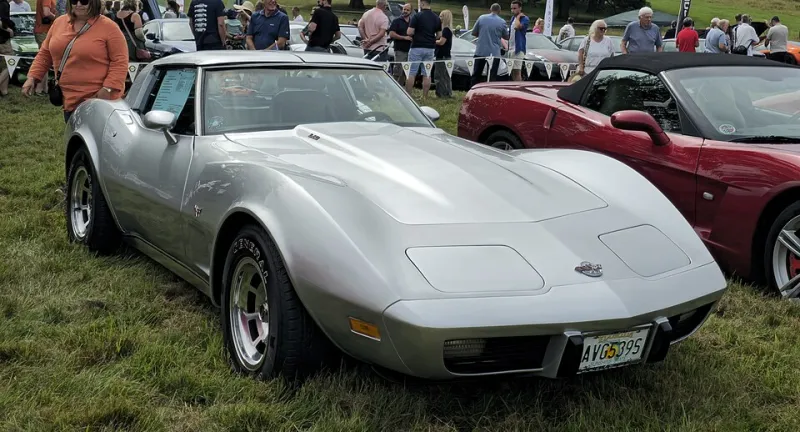
Walk into any Corvette show and you'll see the same pattern play out. The crowds cluster around the '69 Stingrays, the early shark-nose cars, and anything with a big-block badge. Meanwhile, a handful of other C3s sit quietly in the back row, slightly underappreciated, slightly underpriced, and — if you know what you're looking for — absolutely worth a second look.
We've spent time digging into auction results, talking to collectors, and putting miles on these cars ourselves. What we found might surprise you. Some of the best C3s to own right now aren't the ones everybody's already fighting over.
Why Conventional Collector Wisdom Gets It Wrong
The C3 generation ran from 1968 all the way through 1982 — a 15-year production run that saw Chevrolet navigate muscle car peaks, emissions crackdowns, fuel crises, and evolving safety regulations. That long arc means the C3 story is way more nuanced than "early good, late bad."
The problem is that the collector market tends to be driven by nostalgia and hype more than actual merit. The cars that appeared in the right movies, got the most magazine coverage back in the day, or carried the biggest engines naturally dominate auction headlines. But that doesn't mean the rest of the lineup is without substance — it just means the rest of the lineup is still available at reasonable prices.
1974: The Last of the Chrome Bumpers (Kind Of)
Here's one that gets overlooked constantly: the 1974 C3. This was the final year for the chrome front bumper — rear urethane bumpers had arrived in '73, but the front still wore traditional chrome. That means you get a car that straddles two eras visually, and it's genuinely attractive.
Under the hood, the base L48 350 small-block was producing around 195 horsepower (net rating), which sounds modest until you remember that the mid-70s emissions squeeze hit every manufacturer equally. In context, the '74 Corvette was still one of the fastest cars you could buy new in America. More importantly, these engines are incredibly well-supported today — parts availability is a non-issue, and a competent tuner can wake one up considerably without breaking the bank.
Auction prices for clean '74s regularly come in well below comparable '68 or '69 examples. If you're after a daily-driveable C3 that won't make you nervous every time you park it, 1974 deserves serious consideration.
1977: The Refinement Year That Nobody Appreciates
The 1977 model year brought a significant interior refresh that made the C3's cabin genuinely more livable. Ergonomics improved, the steering wheel moved to a more natural position, and overall fit and finish tightened up noticeably compared to earlier cars.
Sales numbers tell an interesting story here — Corvette moved over 49,000 units in 1977, which was a record at the time. Chevrolet was clearly doing something right. Yet today, '77s trade at a discount compared to earlier-decade cars. That disconnect represents opportunity.
The L48 small-block in a '77 is a known quantity: reliable, easy to source parts for, and a solid foundation for either a restoration or a tasteful restomod build. These cars also tend to show up in better overall condition than their age might suggest, partly because the improved interior held up better over time.
1978–1979: The Anniversary Cars and Their Underrated Siblings
Everyone knows the 1978 Silver Anniversary Edition. It's been celebrated, documented, and collected for decades. But here's the thing — the standard 1978 and 1979 production cars that shared that generation's updates are significantly less expensive and offer many of the same improvements.
The '78 brought a fastback rear window redesign that dramatically changed the car's silhouette, adding a sleeker, more modern look that honestly holds up beautifully today. Cargo space increased, visibility improved, and the whole package felt more polished. The 1979 carried those refinements forward and added a slight power bump.
A clean, non-anniversary '78 or '79 can be had for a fraction of what a comparable Silver Anniversary commands, yet you're getting the same basic architecture, the same updated body, and the same driving experience. For collectors who care more about the car than the badge, that math works out pretty nicely.
1980: California Dreamin' (and the Rest of Us, Too)
The 1980 C3 gets unfairly lumped in with the "malaise era" dismissals that plague late-70s and early-80s American cars broadly. Yes, the California-spec cars ran a detuned engine to meet state emissions requirements. But the 49-state cars carried a 190-horsepower L48 that, while not earth-shattering, was paired with a significantly lighter body — Chevrolet shed around 250 pounds through hood, door, and bumper material changes.
Lighter weight plus decent power equals a car that actually feels more agile than its horsepower number implies. The '80 also got a new front air dam and rear spoiler that genuinely improved high-speed stability. It's a more complete driving machine than its reputation suggests.
If you're shopping for a C3 to actually drive — road trips, weekend runs, autocross — the 1980 is worth a test drive before you write it off.
What to Look For When You're Shopping These Years
Regardless of which model year catches your eye, a few things hold true across all C3s:
- Frame condition is everything. C3 frames rust, and a compromised frame is a project that can spiral quickly. Get under the car with a flashlight before you fall in love with the bodywork.
- Check the birdcage. The inner structure that supports the fiberglass body panels is a known weak point. Rust here isn't a dealbreaker, but it's a significant cost factor in any restoration.
- Originality has value, but don't let it paralyze you. A matching-numbers car commands a premium, but a well-sorted driver-quality example with a rebuilt engine can be a better buy for someone who actually wants to put miles on it.
- Parts availability is genuinely excellent. One of the underappreciated advantages of C3 ownership is that the aftermarket is massive. Whatever year you choose, you'll be able to find what you need.
The Bottom Line
The C3 Corvette market rewards patience and independent thinking. While everyone else is competing for the same '69 big-blocks and early Stingrays, the model years covered here offer real-world driving satisfaction, strong parts support, and entry prices that leave room in the budget for actually enjoying the car.
The best C3 is ultimately the one you can afford to buy, maintain, and drive. And right now, some of the most driveable, most practical, and most undervalued examples of America's sports car are sitting in exactly the years most collectors are walking past. That's not a problem — that's an opportunity.
Keep your eyes open. The good ones are still out there.