Bought High, Stuck Higher: The C3 Corvettes That Speculators Can't Give Away
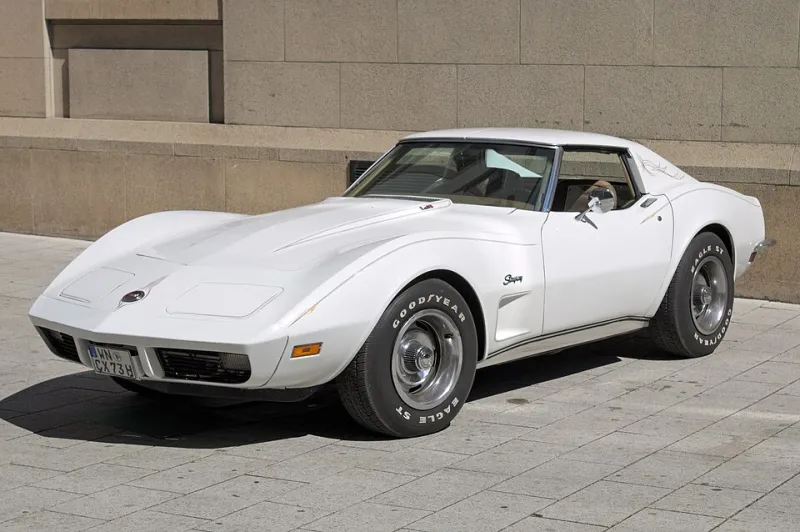
Photo: Alexander Migl, CC BY-SA 4.0, via Wikimedia Commons
There's a version of the C3 Corvette story that gets told a lot at car shows and on collector forums. Guy finds a neglected shark-body Corvette, buys it right, holds it for a couple of years, and walks away with a tidy profit. It's a great story. The problem is that for every one of those, there are a handful of other guys quietly trying to offload a car they paid too much for — and not finding many takers.
Speculative buying in the C3 market has been a real phenomenon, especially since the broader classic car market heated up around 2020 and 2021. Prices on desirable early C3s climbed fast, and a wave of buyers — some experienced, many not — started purchasing cars not because they loved them, but because they expected someone else to love them more in eighteen months. For some of those buyers, that bet hasn't paid off. And for a surprising number of them, it's gone quietly sideways.
How the Speculative Wave Built Up
To understand why some C3s are now sitting as financial anchors, you have to go back to what drove prices up in the first place. The early 1968–1972 cars — especially big-block cars with documented numbers-matching drivetrains — genuinely appreciated through the early 2020s. Auction results were strong. Barn find stories made the rounds on social media. The narrative around C3s as an undervalued classic relative to C1s and C2s gained serious traction.
That narrative wasn't wrong, exactly. But it attracted a certain kind of buyer who was more interested in the narrative than the cars. Speculators started targeting mid-tier C3s — cars that were presentable but not exceptional, with small-block engines, no particularly rare options, and cosmetic restorations that looked good in photos but didn't hold up to scrutiny. They paid prices that reflected peak enthusiasm, then waited for the market to keep climbing.
It didn't. At least not for those cars.
The Middle Gets Squeezed
Here's the dynamic that's trapping a lot of speculative buyers right now: the C3 market has become increasingly bifurcated. Truly exceptional cars — documented high-option early models, legitimate survivors, professionally restored examples with known histories — have held their value reasonably well. But the broad middle of the market, filled with average-condition cars that were bought on optimism rather than merit, has softened.
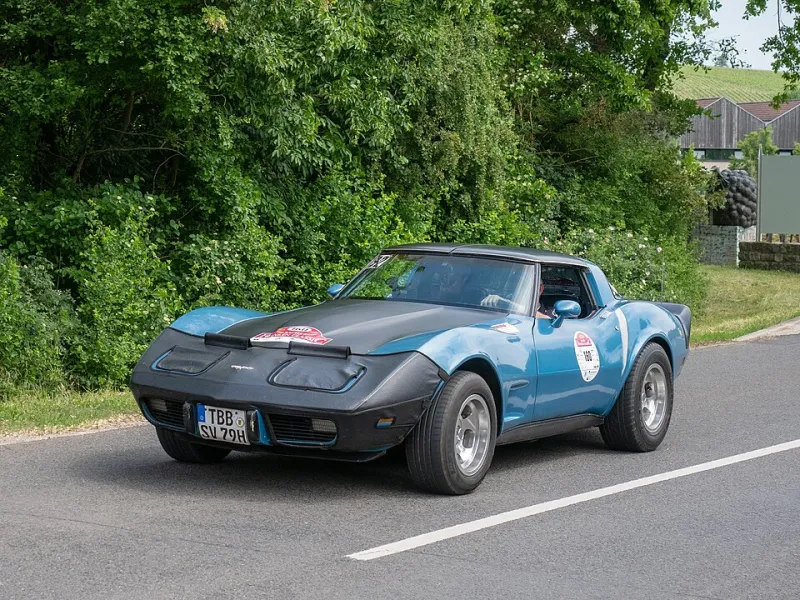
A 1974 Corvette with a 350 small-block, a repaint in a non-original color, and a replaced interior isn't a bad car. But it's also not a car that commands a premium. When a speculator paid $28,000 for one in 2021 expecting to sell it for $35,000 by 2023, and the realistic market value is now $22,000–$24,000, that's a problem with no clean exit.
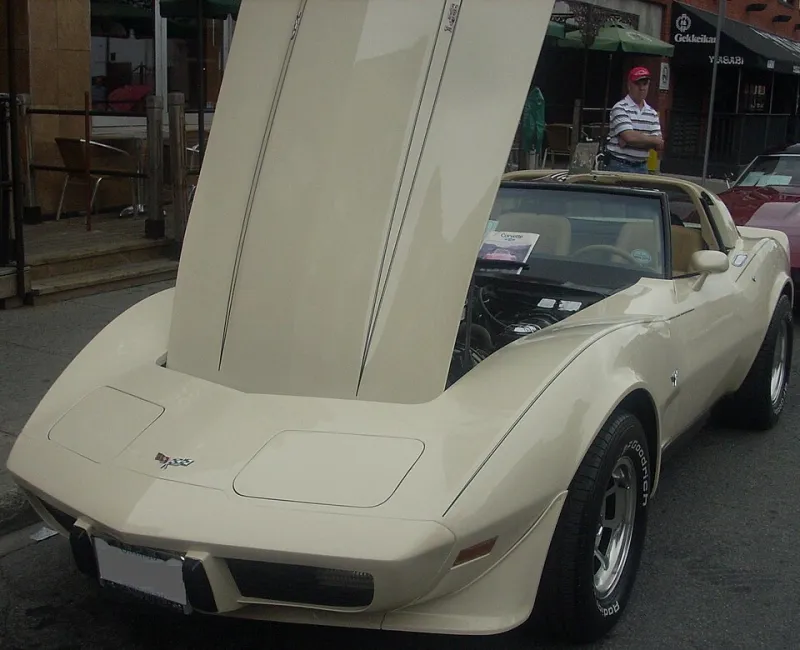
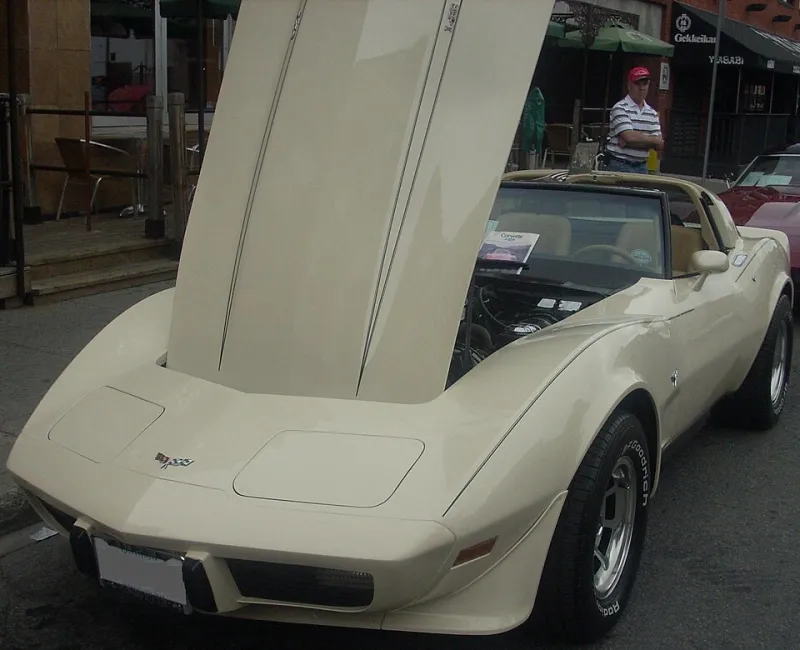
The later C3 years — roughly 1975 through 1982 — have been particularly stubborn. These cars have a passionate niche following, but the broader collector market hasn't embraced them the way speculators hoped. The emissions-era power numbers, the absence of the classic big-block options, and a general perception that these years represent the low point of Corvette performance have kept demand tepid. Buyers who loaded up on late C3s expecting a tide to lift all boats have been waiting a long time.
What Speculators Got Wrong
Talking to sellers and dealers around the country, a few recurring mistakes stand out among buyers who are now stuck.
Paying for potential instead of reality. A lot of speculative purchases were made on cars described as "solid project cars" or "great bones." The assumption was that a light cleanup and some detailing would transform these into sale-ready vehicles. What buyers often found instead was that the cleanup costs ate into the margin they were counting on — and that the finished product still wasn't exceptional enough to command top dollar.
Ignoring provenance. One of the clearest dividing lines in the C3 market right now is documentation. Cars with original build sheets, Protect-O-Plate records, and verifiable histories trade at a measurable premium. Cars without that paper trail — even if they're mechanically solid — struggle to break through a ceiling. Speculators who didn't prioritize documentation when buying are finding it impossible to manufacture that story on the back end.
Timing the market like it's a stock. Classic car markets don't move like equities. There's no ticker, no liquidity, and no guarantee that buyers will materialize on your schedule. Carrying costs — storage, insurance, occasional maintenance — add up quietly over months and years. A car that looked like a profitable flip at an eighteen-month hold becomes much less attractive at a thirty-six-month hold with $4,000 in carrying costs attached.
Chasing the wrong years. The early C3 appreciation story was real, but it was already priced in by the time most casual speculators arrived. Buyers who thought they could replicate those gains on mid-to-late C3s by buying at the same enthusiasm-driven prices were working from a flawed model.
The Cars That Are Hardest to Move Right Now
Based on what's sitting on dealer lots and lingering on the major listing platforms, a few categories keep coming up.
Cosmetically restored but mechanically uncertain cars are tough sells. Buyers who've been burned before are skeptical of fresh paint and new interiors on cars with unknown mechanical histories, and for good reason. Without a documented engine rebuild or a clean inspection, savvy buyers discount heavily.
Late-model C3s with automatic transmissions and no performance options are also slow movers. The collector appetite for these cars exists, but it's price-sensitive. When a speculator needs $25,000 to break even on a car that the market wants to pay $18,000 for, the listing just sits.
Cars with non-original color combinations — particularly those repainted in colors that weren't offered on that model year — face a tough crowd. Originality matters more than it used to, and a car that's been "personalized" by a previous owner can be genuinely difficult to sell at a number that works for a speculator.
Lessons for Buyers Watching From the Sidelines
If you're in the market for a C3 right now, the speculator overhang is actually good news for you. There are motivated sellers out there holding cars they need to move, and a patient buyer with cash can find real value in the current environment.
But the same logic that trapped speculators applies in reverse: don't buy a mediocre car at a premium price just because someone tells you it's an investment. Buy cars you'd be happy to own for five years even if the market doesn't cooperate. Prioritize documentation, originality, and honest mechanical condition over fresh cosmetics. And be realistic about what "investment grade" actually means — it's a small slice of the C3 market, not a description that applies to every shark-body Corvette with a clean title.
The speculators who are stuck right now didn't necessarily make dumb decisions. They made optimistic ones, at the wrong time, on the wrong cars. That's a distinction worth keeping in mind every time someone tells you a C3 Corvette is a can't-miss opportunity.