Picking Winners: Which C3 Model Years Have Actually Made Collectors Money?
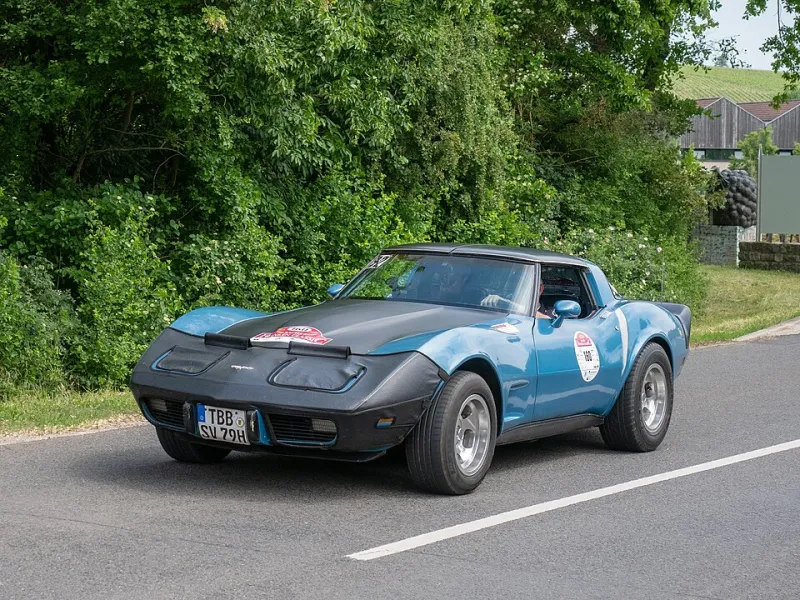
Photo: Ermell, CC BY-SA 4.0, via Wikimedia Commons
Let's be honest — most of us didn't buy our first C3 Corvette as a calculated financial move. We bought it because it looked like something out of a fever dream from the late '60s, or because we saw one at a car show as a kid and never quite got over it. But somewhere between the first restoration invoice and the third conversation with an insurance adjuster, the investment angle starts feeling a lot more relevant.
So here's the question worth asking before you hand over a check at your next auction or private sale: which C3 model years have actually delivered a return, and which ones have just eaten money?
We pulled together market data, auction results, and valuation trends to build out a practical framework. This isn't about nostalgia — it's about figuring out where the smart money has been going, and where it might be headed next.
The Early Years (1968–1972): The Market's Darlings
If you've been paying attention to C3 auction results over the past decade, this probably won't shock you: the early production years — specifically 1968 through 1972 — have consistently led the pack in terms of both raw value and appreciation rate.
Why? A few converging factors. First, these cars carried over the high-displacement, high-output engines that defined American performance culture before emissions regulations started squeezing the life out of muscle-era powertrains. The LT1 small-block and the legendary LS6 454 big-block options from this era command serious premiums. A numbers-matching 1970 LS6 coupe that might have traded hands for $35,000–$45,000 in the early 2010s is now regularly clearing $80,000–$100,000 at major auction houses, with exceptional examples pushing well past that.
Second, production numbers for some of the most desirable configurations are genuinely low. The 1969 ZL1 aluminum big-block is the obvious extreme example — only two were built for public sale — but even more accessible variants like the 1971 LS6 coupe in a desirable color with a four-speed manual represent a relatively thin slice of surviving inventory.
For collectors treating their C3 as a long-term asset, the 1968–1972 window has historically offered the strongest documented appreciation. The catch, of course, is entry cost. You're not finding legitimate, documented examples in this range for bargain prices anymore. The market has done its homework.
The Middle Years (1973–1977): The Underappreciated Window
Here's where things get interesting from a pure ROI standpoint. The 1973–1977 model years absorbed a lot of criticism over the years — the federally mandated bumpers, the gradual power reduction, the disappearance of the chrome bumper aesthetic that defined the early C3. For a long time, that reputation kept prices soft.
But soft entry prices combined with growing collector interest is exactly the setup that produces strong percentage returns. A clean 1974 coupe that cost a buyer $12,000–$15,000 in 2012 might realistically be worth $22,000–$28,000 today in solid driver condition — not life-changing numbers, but a meaningful percentage gain on a car that also got driven and enjoyed.
The 1973 model year specifically deserves a closer look. It was the last year for the chrome front bumper, which gives it a visual identity that resonates with buyers who want the classic C3 profile without fully early-year pricing. That transitional status has been quietly pushing 1973 valuations upward, and there's a reasonable argument that the gap between '73 and '72 prices will continue to compress.
The Stingray badge — which returned in 1969 and ran through 1976 — also matters to a segment of collectors, and years with that badging tend to hold a slight premium over the post-1976 cars.
The Late Years (1978–1982): The Long Road Back
The 1978–1982 C3s have had a complicated relationship with the collector market. Production volumes were higher, the cars moved away from some of the design elements that defined the early generation, and for years they represented the bottom of the C3 value ladder.
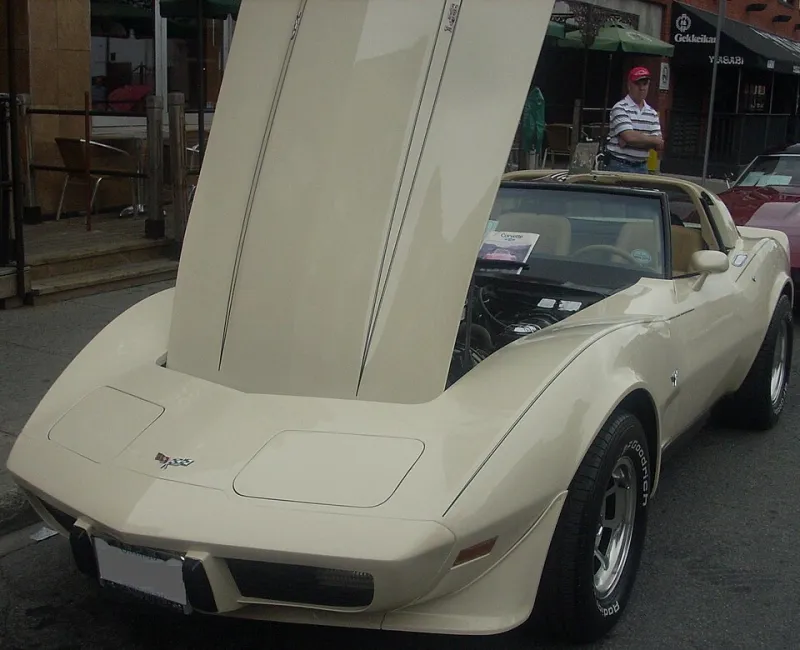
But a few things are worth noting. The 1978 Silver Anniversary Edition and the 1978 Pace Car replica have carved out their own collector niches, with well-documented Pace Car examples regularly trading at premiums over standard coupes from the same year. The limited-production nature of those special editions — roughly 6,500 Pace Car replicas were built — gives them a scarcity story that standard late C3s simply don't have.
The 1982 Collector Edition also deserves mention. As the final C3, it came with a unique opening rear window, a distinctive graduated paint scheme, and a higher base price from the factory. Collector Editions in excellent condition with original documentation have shown steady appreciation, particularly as the C3's overall cultural status has continued to rise.
For buyers working with tighter budgets, the late C3s still offer the lowest barrier to entry in the generation — and if the broader C3 market continues its upward trajectory, these cars have the most room to run in percentage terms, even if the absolute dollar gains lag behind the early cars.
What the Data Actually Tells Us
Pulling back to look at the full picture, a few patterns emerge pretty clearly:
Rarity drives premiums. Cars with documented low production numbers, rare option combinations, or factory special editions consistently outperform their standard counterparts. This isn't surprising, but it's worth stating plainly: the documentation matters as much as the car itself.
Condition multiplies everything. The spread between a numbers-matching, well-documented example and a heavily modified or poorly restored version of the same year can be 40–60% or more. Condition grade is arguably the single biggest variable in any C3 valuation.
The early cars are safer but more expensive. If you're buying a 1969–1971 big-block coupe with solid provenance, you're paying up front but buying into a market segment that has demonstrated consistent demand. The floor is higher, and so is the ceiling.
The middle and late cars offer better percentage upside. If you find a clean, honest 1973 or a well-preserved 1978 Pace Car at a fair price, the percentage return potential is arguably stronger — though the timeline to realization may be longer.
Making the Call
No investment is guaranteed, and anyone who tells you a specific C3 year is a sure thing is selling you something. But the framework here is pretty straightforward: early cars with documentation and numbers-matching drivetrains have proven themselves as the safest long-term holds. Transitional years like 1973 and special editions across the late production run offer the most interesting risk-adjusted opportunity for buyers who do their homework.
The worst financial move in the C3 market? Overpaying for a heavily modified or poorly documented car in any year because the price felt low. The market has gotten increasingly sophisticated about sorting originals from imposters, and that trend isn't reversing.
Know what you're buying, know what comparable examples are actually selling for — not just asking prices — and buy the best documented example your budget allows. That's as close to a reliable C3 investment strategy as the data supports.