Cracked, Faded, and Forgotten: Saving Your C3 Corvette's Dashboard Before It's Too Late

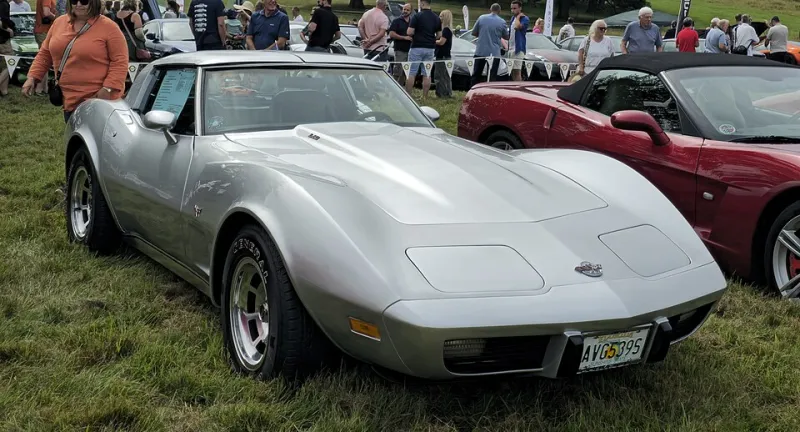
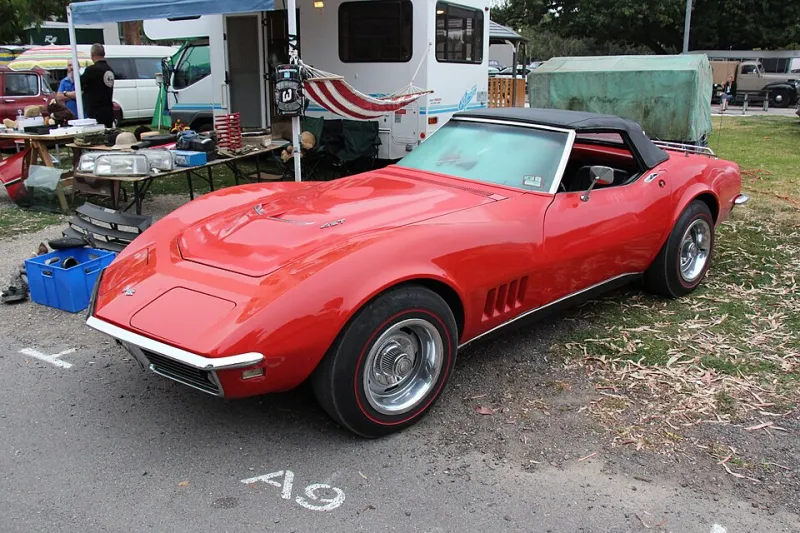
Photo: Jaster_43, CC BY-SA 3.0, via Wikimedia Commons
You can spend serious money on a freshly rebuilt small-block, a flawless repaint, and a set of correct-date-coded wheels — and then a buyer walks up to your C3, peers through the windshield, and the first thing they notice is the dashboard. Not the good stuff. The cracks. The warps. The chalky, sun-bleached plastic that looks like it spent thirty years baking in a Phoenix parking lot. Because maybe it did.
Dashboard deterioration is one of the most common — and most underestimated — issues facing C3 Corvette owners today. It's quiet, it's gradual, and by the time most people decide to deal with it, the damage is already significant. If you're serious about your C3, whether as a driver, a show car, or a long-term investment, understanding what's happening under that cracked surface is the first step toward fixing it.
Why C3 Dashboards Fall Apart in the First Place
The C3 Corvette was produced from 1968 through 1982, which means even the youngest examples are pushing forty years old. The dashboard materials used during that era — primarily ABS plastic and vinyl-covered foam composites — were not engineered with multi-decade longevity in mind. They were designed to look good and feel decent for a reasonable ownership period. Nobody at GM was thinking about 2025.
Three main forces conspire to destroy these interiors over time.
Ultraviolet exposure is the biggest culprit. UV radiation doesn't just fade color — it actually breaks down the chemical bonds in plastic and vinyl at a molecular level. The dashboard surface becomes brittle, loses its flexibility, and eventually cracks under the stress of everyday use. Cars stored in uncovered driveways or garaged in sun-soaked states like Florida, Arizona, and California tend to show dramatically accelerated deterioration compared to those kept in shaded or climate-controlled environments.
Thermal cycling compounds the problem. Interiors in parked cars can reach temperatures well above 150°F on a hot summer day, then cool overnight. This constant expansion and contraction creates stress fractures that start small — hairline cracks near the instrument cluster, small splits along the defroster vents — and spread outward over time. The foam backing beneath the vinyl shrinks and hardens, which removes the structural support that kept the surface smooth in the first place.
Neglect and improper cleaning round out the trio of destroyers. Harsh cleaners, prolonged dryness, and the simple accumulation of years without conditioning treatment accelerate the breakdown of whatever flexibility the material still has. By the time cracks become visible, the underlying structure is usually already compromised.
What Deterioration Actually Costs You
Ask any serious C3 buyer and they'll tell you: interior condition matters. A lot. The Corvette collector market has become increasingly sophisticated, and buyers at every price point have gotten better at factoring in the true cost of interior restoration before making an offer.
Dave Kowalski, a C3 collector based in Ohio who has bought and sold more than a dozen examples over the past fifteen years, puts it plainly. "A bad dash can knock three to five thousand dollars off what I'm willing to pay, easy. And that's being generous. Because I know what it actually costs to do it right, and I know the headache involved. Most buyers just walk away."
For matching-numbers cars or documented survivors, a cracked dashboard is particularly painful. Originality is part of the value proposition, but a cracked original dash creates a dilemma: do you preserve it as-is (and accept the visual hit), restore it with period-correct materials (expensive and difficult to do convincingly), or replace it (which potentially affects authenticity claims)?
For driver-quality and project cars, the calculus is different. A cracked dash might not tank the deal, but it almost always comes up in negotiation.
The Range of Solutions: From Budget Fixes to Full Replacement
The good news is that you have options. The bad news is that not all of them are as effective as advertised, and some can actually make things worse.
Dashboard covers are the most affordable entry point, typically running $50 to $150 for a C3-specific fitment. They hide the damage without addressing it, which is fine if you're a daily driver who wants a clean look on a budget. For anyone pursuing show quality or trying to preserve resale value, though, a cover is essentially an admission of defeat that any knowledgeable buyer will notice immediately.
Crack fillers and vinyl repair kits occupy the middle ground. Products like SEM and Duplicolor make flexible fillers specifically designed for automotive vinyl and plastic. Used correctly — and that means proper surface prep, color matching, and texture replication — these can produce genuinely impressive results on minor to moderate cracking. YouTube has no shortage of C3 owners documenting their results, with mixed but occasionally excellent outcomes. The limitation is that heavily damaged surfaces rarely clean up convincingly, and the repairs can become visible again as the surrounding material continues to deteriorate.
Professional vinyl restoration and re-covering is the sweet spot for many owners. Shops that specialize in vintage automotive interiors can strip the old surface, replace deteriorated foam, and re-cover the dash in period-correct vinyl. Costs typically run from $500 to $1,500 depending on condition and location. Done well, the results are nearly indistinguishable from original, and the repaired dash will outlast the original material by decades if maintained properly.
Complete dashboard replacement is the nuclear option, and sometimes the right one. Reproduction dashboards are available for most C3 years through suppliers like Corvette Central and Eckler's. New-old-stock pieces occasionally surface through specialty dealers and auction houses for those chasing true originality. Full replacement makes sense when the existing structure is too far gone for any surface treatment to save, or when a high-dollar restoration demands perfection that patched materials can't deliver.
Prevention: The Cheapest Fix Is the One You Never Need
If your C3's dashboard is still in decent shape — some light fading, maybe a crack or two that hasn't spread — now is the time to get serious about prevention.
Park in the shade whenever possible. Use a quality windshield sunshade every single time the car sits in sunlight. Apply a UV-protectant conditioner formulated for automotive vinyl and plastic on a regular schedule — products like 303 Aerospace Protectant have a strong following in the C3 community for good reason. Keep the interior dry and ventilated to minimize the moisture swings that accelerate foam deterioration underneath the surface.
Susan Hartley, who has owned her 1971 Corvette coupe for over two decades in the Dallas area, credits consistent conditioning as the reason her dash still looks presentable. "I treat it every spring and fall, keep a sunshade in it year-round, and park in the garage whenever I can. It's not perfect, but it doesn't look forty-something years old either. That's all I'm going for."
Is the Investment Worth It?
For most C3 owners, the honest answer is yes — to a point. If you're restoring a car with real collector potential, a properly executed dash restoration or replacement pays for itself in perceived value and buyer confidence. If you're maintaining a driver that you love and plan to keep, protecting and preserving the interior is just good stewardship.
Where it gets complicated is the middle ground: cars with moderate damage that need more than a DIY fix but less than a full professional restoration. In those cases, getting quotes from at least two reputable interior shops and comparing the cost against your car's realistic market value is the only way to make a genuinely informed decision.
What's never a good idea is ignoring it. Every summer that passes without protection is another season of UV damage, another round of thermal cycling, another inch of crack spreading toward the center of your dash. The C3 deserves better than that — and frankly, so does your investment.