The Shark That Fought Above Its Weight: Remembering the C3's Real Racing Record
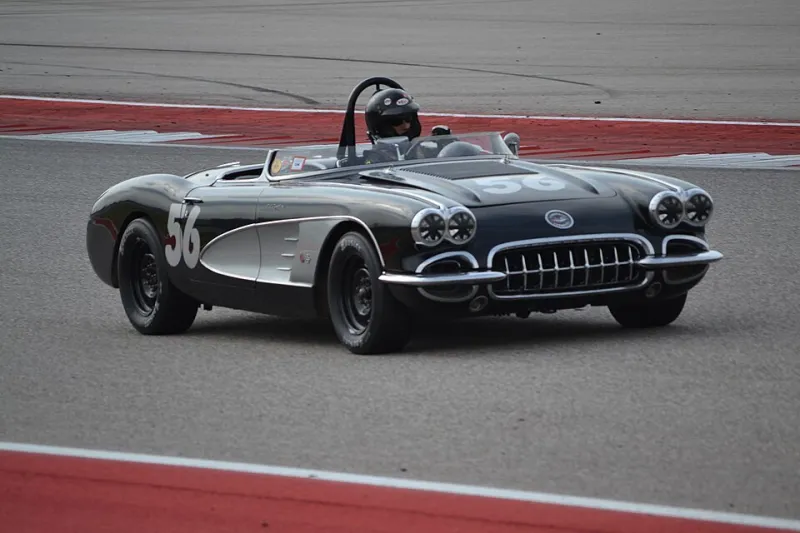
Photo: Markdill, CC BY-SA 4.0, via Wikimedia Commons
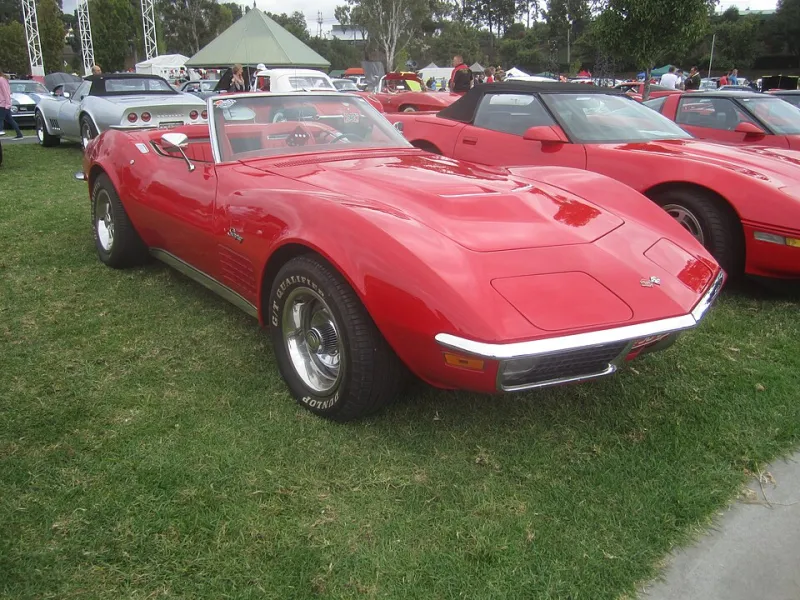
Let's get something out of the way: the C3 Corvette is often remembered for the wrong things. The slant nose, the optional luggage rack, the carpets that swallowed your feet. Meanwhile, the same car was quietly building one of the most underrated motorsport resumes of the 1970s — and the hobby should give it more credit than it does.
The Cars That Could Have Been
Start with the L88. By 1969, Chevrolet's all-out racing small block was technically available in a C3 — 430-plus horsepower in a car with aluminum heads, no comfort items, and a warning label from Zora Duntov's crew telling buyers not to idle it. Only a handful were built, and the ones that made it to the track became legends in SCCA A/Production and endurance racing. The L88 C3 didn't just compete; it embarrassed cars costing three times as much.
Then came the LT-1. From 1970 through 1972, this solid-lifter 350 with the nasty camshaft was the best road-racing engine Chevrolet put in a street car that decade. It arrived just as the emissions noose was tightening, which makes its dominance all the more impressive.
The Strip Told a Different Story
While road racing grabbed headlines, the C3 owned the quarter mile in a quieter way. The 1970-72 LT-1 cars ran low 14s in pure stock trim — genuinely quick for the era — and the aftermarket turned the C3 into a canvas for every speed shop in America. Edelbrock manifolds, Hooker headers, Holley carbs: the C3 was the car a working-class gearhead built into a 12-second street machine on a union paycheck.
Even after the compression ratios collapsed in 1971 and 1972, the C3's light fiberglass body and independent rear suspension kept it competitive where heavier muscle cars gave up. A well-sorted L48 C3 could still hang with cars that had paper horsepower advantages.
The Drivers Who Kept It Honest
The C3's racing story isn't just about hardware. Privateers across the country — the guys trailering to Road America, Riverside, and Sebring — kept the platform honest in SCCA regional racing for two decades. The chassis was tunable, the parts bin was deep, and a bent fiberglass fender cost a fraction of what steel bodywork cost the Mustang and Camaro guys.
And let's not forget the Greenwood-era influence. John Greenwood's wide-body C3s, running massive flares and big-block power, bridged the gap between the factory car and the IMSA GT machines of the late '70s. Those cars — loud, crude, and gloriously fast — proved the C3 platform had racing DNA that the showroom version only hinted at.
Why the Reputation Never Caught Up
So why doesn't the C3 get its due? Timing, mostly. The generation's production years overlapped exactly with the industry's power collapse, so the last cars you remember are the weakest ones. The 1975 165-horsepower base car became the punchline, and the punchline swallowed the whole story.
But the market is starting to catch on. Clean LT-1 cars and early chrome-bumper C3s have appreciated precisely because collectors are rediscovering what the strip and the SCCA paddock already knew: underneath the shag carpet was a legitimate racing platform that got hobbled by regulation, not by design.
Give the shark its credit. It earned it.